
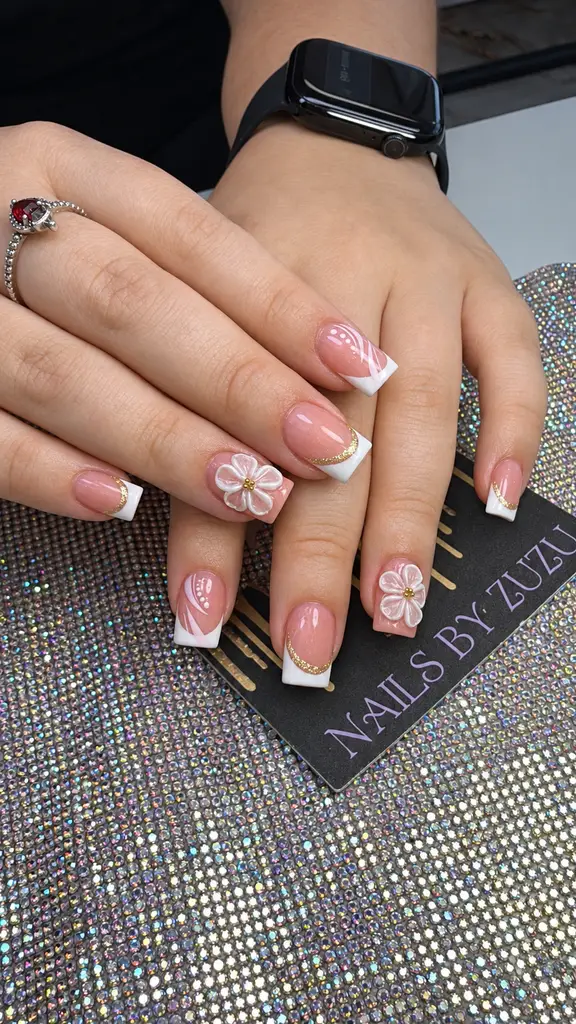
That fresh, glassy gel shine can make a simple nude manicure feel instantly polished – and a chrome, French tip, or detailed nail-art set look extra special. But many clients wonder: are gel manicures damaging when they become part of their regular beauty routine?
The honest answer is that gel manicures are not automatically bad for your natural nails. The greatest risks usually come from harsh removal, aggressive prep, over-filing, or wearing a lifted set for too long. With the right application, timely maintenance, and gentle removal, many people enjoy gel nails without major damage. Your natural nail history, at-home habits, and the skill of the person doing the service all matter.
Are Gel Manicures Damaging? It Depends on the Process
A gel manicure is a polish system cured under an LED or UV lamp. Once cured, it creates a durable, glossy finish that resists chips far longer than regular polish. Soft gel polish is not the same thing as hard gel, Gel-X extensions, acrylic, or dip powder, although all of these services need thoughtful application and removal.
Your nail plate is made of compact layers of keratin. It is not alive, so it cannot “breathe” between manicures. What it does need is protection from unnecessary thinning, peeling, and dryness. When the top layers are repeatedly scraped away or filed too much, nails can feel bendy, rough, tender, and fragile.
A well-done gel manicure should not require your natural nail to be aggressively drilled down. Proper prep is about creating a clean surface and a secure bond, not making the nail thin. If you have ever left a manicure appointment with burning, heat, soreness, or nails that look chalky and scraped, that is a sign the process may have been too harsh.
The Biggest Cause of Gel Nail Damage: Picking and Peeling
It is tempting to peel a lifting gel corner while watching TV, waiting in the carpool line, or scrolling before bed. Unfortunately, that little peel often removes layers of your natural nail along with the gel. The result is usually the damage people blame on the manicure itself.
When gel starts lifting, water and everyday debris can get underneath it. Avoid trying to glue it down, paint over it, or pull it off. Book a removal or repair instead. A nail artist can safely remove the loose product, assess the nail, and give you a clean finish that will not snag on everything.
At-home soaking can be gentle when done patiently, but it is not always easy to know which product you are wearing or how much filing is appropriate. Never force product off with a metal tool, nail clipper, or your own nails. If it is not releasing after proper soaking, it needs more time or professional attention.
Application Matters More Than You May Think
Healthy gel wear begins before the color goes on. The nail must be cleaned and prepped carefully, cuticles should be handled gently, and product should not flood the skin. Product that touches the skin or cuticle can cause lifting, and repeated skin contact may increase the risk of developing an allergy to gel ingredients.
A gel allergy is different from ordinary dryness. Watch for itching, redness, swelling, tiny blisters, cracked skin around the fingers, or irritation that keeps returning after nail services. If this happens, stop using the product and speak with a medical professional or dermatologist. Do not try to cover the reaction with another set.
Curing is also part of safe application. Every gel system has its own curing requirements, which is why a professional should use compatible products and the appropriate lamp. Under-cured gel can be more likely to cause irritation or allergy, while too much filing during prep or removal can leave the nail plate compromised.
At Zuzu Nails & Beauty, we love a dramatic charm set and a perfectly clean French tip just as much as anyone, but beautiful nails should still feel comfortable. Let your nail artist know if your nails are naturally thin, you have had a previous reaction, or you are recovering from a damaged set. That information helps guide the service.
What About the UV Lamp?
Gel lamps use UV light, even when they are labeled LED. LED lamps simply cure many gel formulas faster. The exposure from a manicure is brief, but it is reasonable to take it seriously if you get gel services often or have concerns about sun sensitivity.
You can apply a broad-spectrum sunscreen to the backs of your hands before an appointment, allowing it to dry completely and avoiding the nail plate. Another option is UPF manicure gloves with the fingertips cut off. If you take medications that increase light sensitivity, have a history of skin cancer, or have a skin condition affected by UV exposure, ask your doctor what is right for you.
This does not mean everyone needs to give up gel. It means the best beauty routines include small, practical protections when they make sense.
Signs Your Nails Need a Reset
You do not have to wait until your nails are breaking down to take a break from enhancements or long-wear polish. A short reset can be helpful if your nails are peeling in layers, splitting easily, feel sore when pressed, or remain dry and weak after removal. Green, yellow, or dark discoloration, pain, swelling, or a nail separating from the nail bed deserves professional medical advice rather than another cosmetic service.
A reset does not have to mean bare nails forever. You might choose a shorter natural shape, regular polish, a nourishing manicure, or a simple strengthening plan for a few weeks. For some clients, a structured gel overlay actually helps protect nails from daily bending and breakage. For others, especially those who pick or have very dry nails, simpler is better for a while.
How to Wear Gel More Gently
Your aftercare has a real effect on how your nails look and feel at the next appointment. Cuticle oil is one of the easiest habits to keep. Massage it into the cuticle area daily, especially after handwashing, cleaning, or using sanitizer. It helps condition the surrounding skin and keeps the enhancement more flexible.
Wear gloves for dishes, cleaning products, gardening, and long water exposure. Your nails are not tools, even when your manicure is extra strong. Open cans, scrape labels, and pry things apart with something other than your fingertips. Those tiny moments are often what cause lifting or breaks.
Choose a service that fits your lifestyle. If you are typing all day, caring for little ones, working in healthcare, or constantly using your hands, a shorter almond, squoval, or rounded shape may wear more comfortably than long stilettos. If you want length for a wedding, vacation, birthday, or photo-ready moment, ask about a plan for maintenance and removal afterward.
Most importantly, return for maintenance or removal on schedule. Gel is designed to last, not to be worn indefinitely. When growth is noticeable, the product is lifting, or your nails start catching on hair and fabric, it is time for a refresh.
The Best Manicure Is One You Can Maintain
Gel can be a lovely choice for busy professionals, moms, brides, and anyone who wants weeks of glossy color without daily touch-ups. It can also be the perfect canvas for ombré, chrome, 3D florals, marble, gems, and the little details that make you smile every time you look down at your hands.
The goal is not to fear gel manicures. It is to choose careful technique, listen to your nails, and treat removal as part of the service instead of an afterthought. When your manicure fits your lifestyle and your nails feel comfortable underneath it, you can enjoy the color, creativity, and confidence without sacrificing the natural nails you came in with.